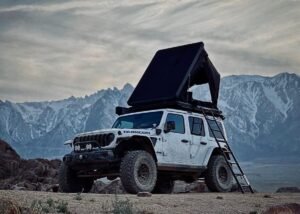
Choosing the right roof rack for a rooftop tent is essential for safe driving, stable installation, and comfortable camping. However, not every roof rack is designed to support a rooftop tent.
Whether you drive an SUV, pickup truck, or 4×4 vehicle, there are three key factors to consider: load capacity, vehicle compatibility, and crossbar spacing.
1. Check the Roof Rack Load Capacity
The first step is to check whether your roof rack can safely support your rooftop tent. Two load ratings are particularly important:
- Dynamic load capacity: The maximum permitted load while driving.
- Static load capacity: The load the system can support when the vehicle is parked, including the tent and its occupants.
For example, a rooftop tent weighing 60 kg combined with roof racks weighing 10 kg creates a total driving load of 70 kg. Your vehicle’s permitted dynamic roof load and the rack system’s rating must both accommodate this weight.
Always check your vehicle owner’s manual and roof rack manufacturer’s specifications. Never assume that a rack is suitable simply because it fits your vehicle.
2. Choose a Roof Rack Compatible With Your Vehicle
The right roof rack depends on your vehicle’s roof design and mounting points.
Common options include:
- Crossbars: A practical choice for many SUVs and passenger vehicles with compatible mounting systems.
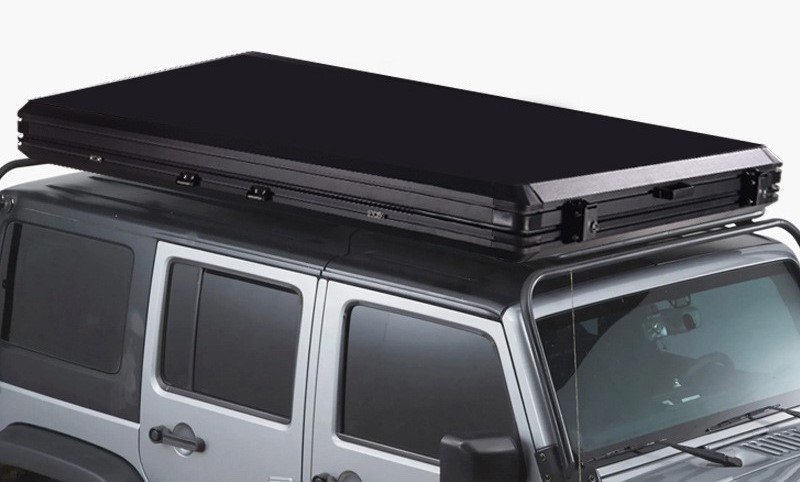
- Roof rack platforms: Offer multiple mounting positions and can be useful for overlanding setups carrying a rooftop tent and other accessories.
- Truck bed racks: A suitable option for pickup trucks, provided the rack is designed for the vehicle and rooftop tent.
Vehicles with raised roof rails, flush rails, fixed mounting points, or bare roofs may require different rack systems. Always confirm compatibility before purchasing.
3. Check Crossbar Spacing and Mounting Requirements
Even a strong roof rack may not fit every rooftop tent.
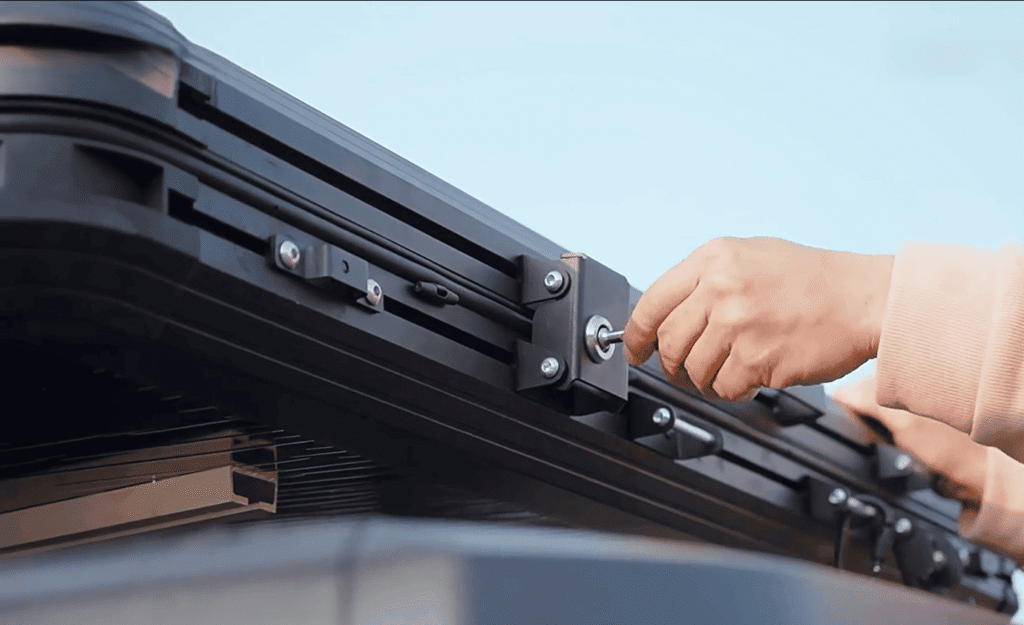
Check the tent manufacturer’s recommended crossbar spacing, bar dimensions, mounting hardware, and installation instructions. The bars must support the tent base correctly and allow the mounting brackets to be secured properly.
For heavier hard-shell rooftop tents, pay particular attention to the rack’s load rating and the tent’s mounting requirements. A wider platform is not automatically stronger or safer.
4. Don’t Forget the Vehicle’s Roof Load Limit
Your roof rack’s capacity is only part of the equation. The vehicle itself also has a maximum permitted roof load while driving.
For a safe setup, verify that:
- The combined weight of the tent, rack, and other roof-mounted accessories stays within the applicable dynamic load limit.
- The rack system is approved for rooftop tent use.
- The parked system can support the tent, occupants, and camping equipment within its specified static capacity.
If your vehicle has a panoramic glass roof or unsupported factory roof rails, consult the vehicle manufacturer before installation.
5. Which Roof Rack Is Best for Your Rooftop Tent?
The best roof rack is not necessarily the most expensive one. It is the system that matches your vehicle, tent weight, mounting requirements, and intended use.
Before buying, confirm these four details:
- Your vehicle’s make, model, and year.
- Your rooftop tent’s weight and dimensions.
- The dynamic and static load ratings of the rack system.
- The tent manufacturer’s mounting and crossbar spacing requirements.
Looking for a rooftop tent for your next outdoor adventure? Explore LINGHAO’s rooftop tent solutions and contact us to discuss product specifications, vehicle compatibility, and OEM options for your outdoor brand.
Frequently Asked Questions (FAQs)
1. Can any roof rack support a rooftop tent?
No. Some roof racks are designed for lightweight cargo and may not be suitable for rooftop tents. Choose a system specifically approved for your tent’s weight and mounting requirements.
2. How much weight capacity do I need for a rooftop tent?
It depends on your tent’s weight, the rack’s weight, your vehicle’s roof load limit, and any additional roof-mounted equipment. Check both the rack and vehicle specifications rather than relying on a universal weight recommendation.
3. Can I use factory-installed roof rails for a rooftop tent?
Sometimes, but not always. Compatibility depends on the vehicle, rail support structure, crossbars, and tent manufacturer’s requirements. Factory rails alone should not be assumed suitable.
4. Do I need a roof rack platform or just crossbars?
Crossbars can work when they provide adequate support and meet the tent manufacturer’s requirements. A platform may offer more mounting flexibility for overlanding accessories, but it must also meet the relevant load limits.
5. Can I leave my rooftop tent on the roof while driving?
Yes, if the complete setup is approved for driving and remains within the vehicle’s and rack system’s dynamic load limits. Ensure all mounting hardware is secured according to the manufacturer’s instructions.